Start Here When You Spot Mold
Found a musty smell, a dark patch or a soft spot in a wall? Take it seriously. Mold grows where things stay damp, and a long wet season gives it many chances.
Everythingissues Mold Help is a referral service. We do not do the work. We connect you with independent mold providers in our network. They look at your home, test the air or surfaces, and remove the mold.
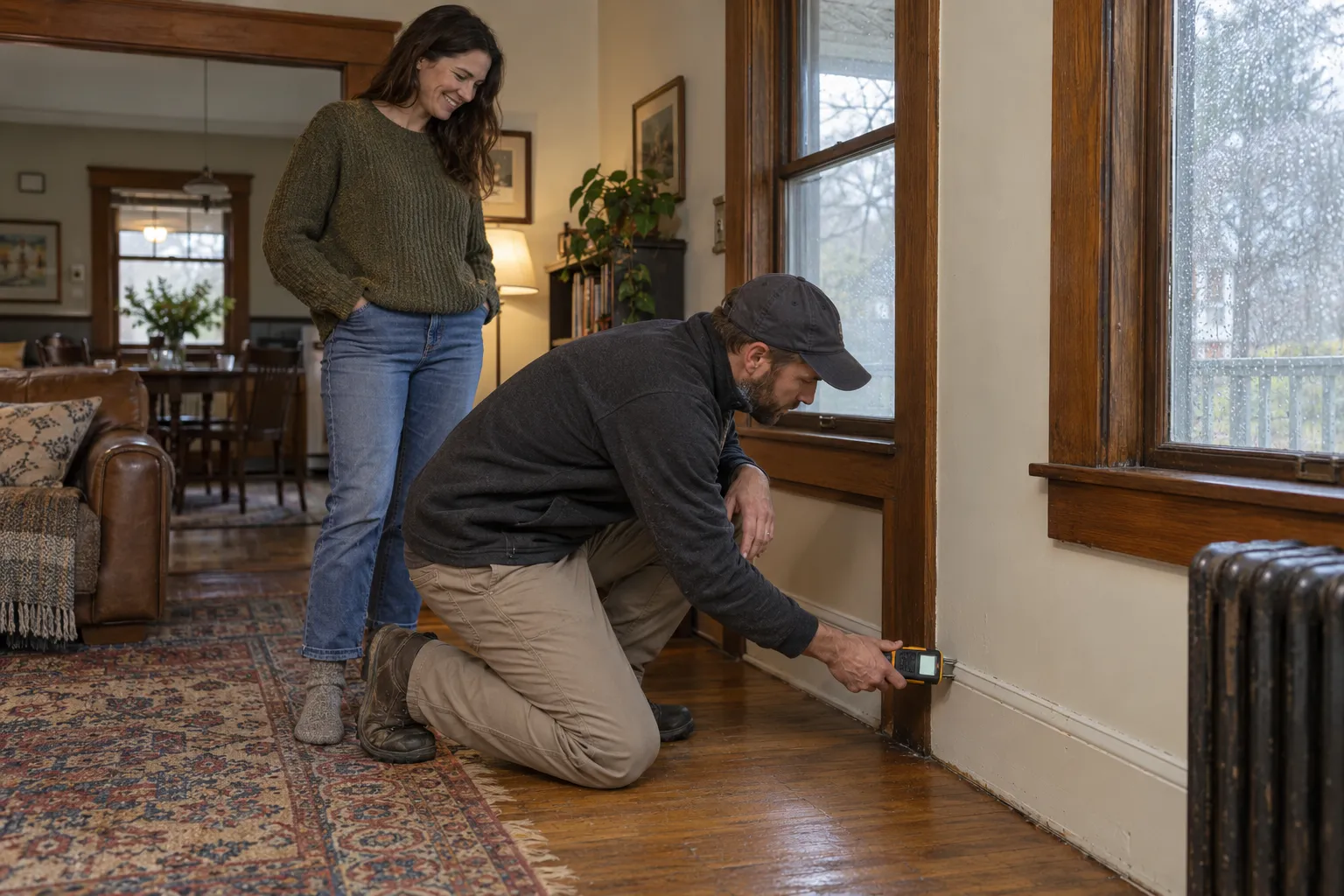
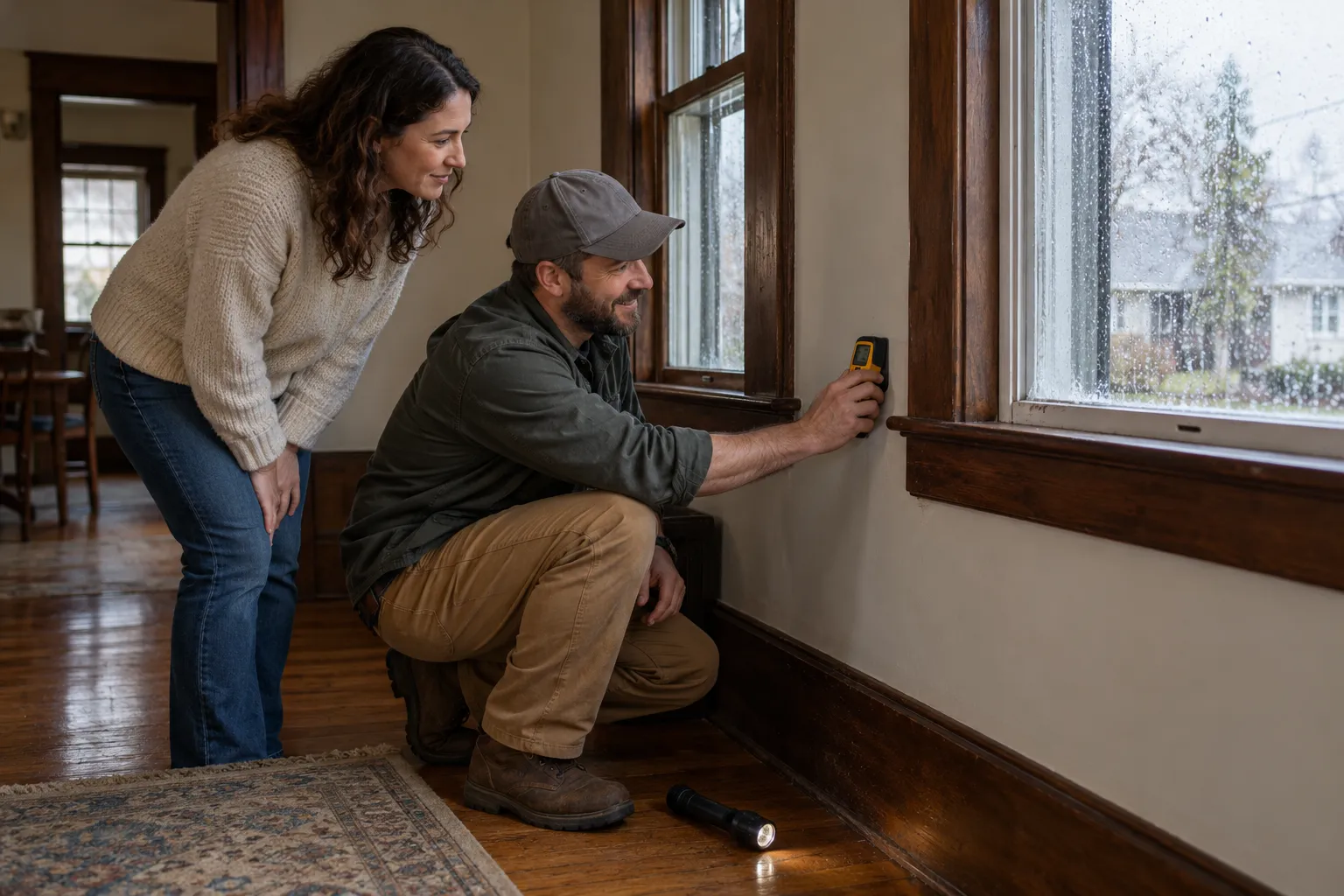
Older homes need extra care. Old wood, old pipes and old repairs can hide moisture for years. A careful provider checks behind the obvious spots.
Here is what you can do first:
- Note where you see or smell mold.
- Run a fan and keep the area dry.
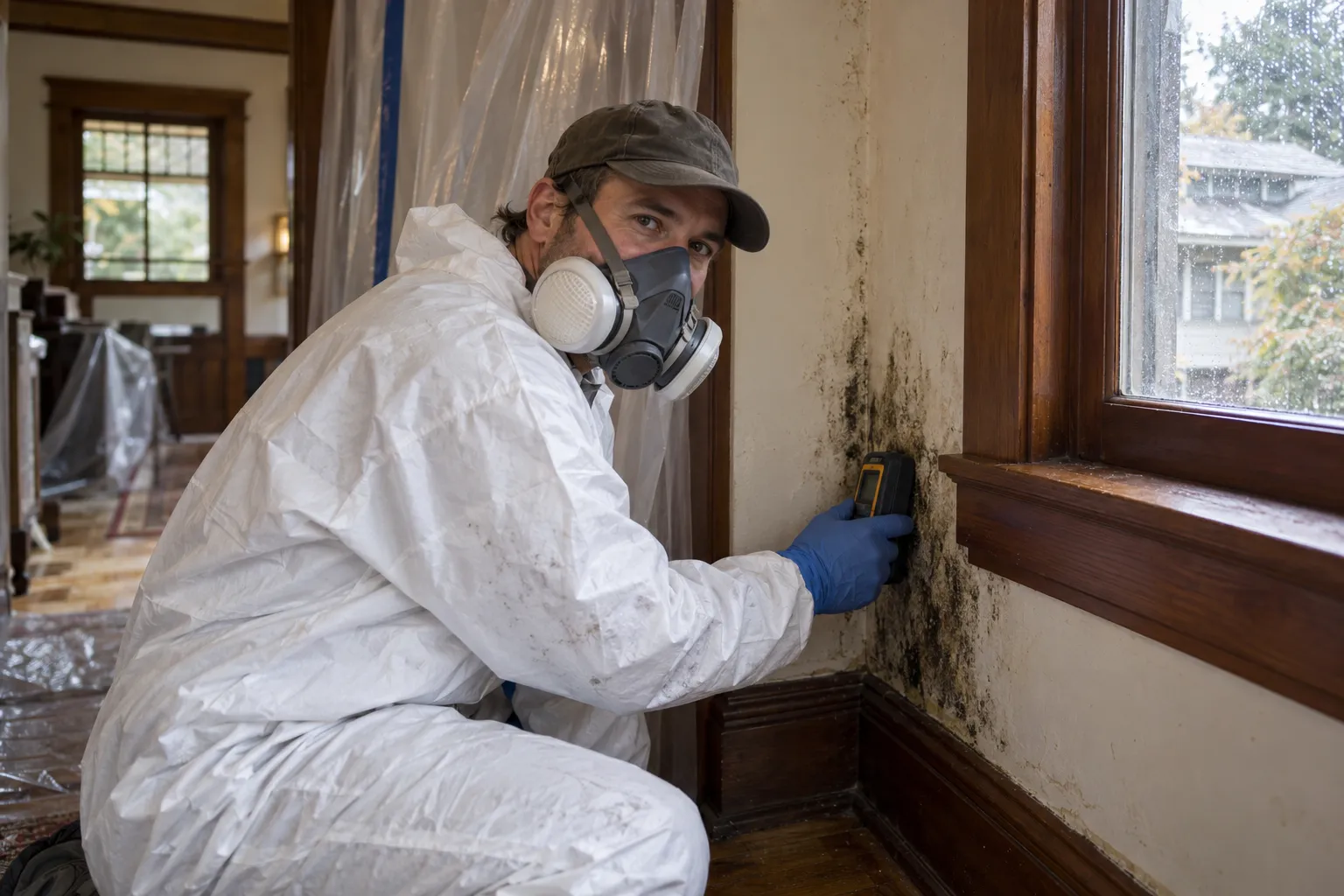
- Do not scrub or spray it. That can spread spores, the tiny seeds of mold.
- Request a callback to check provider availability.
Many providers can respond quickly. Hours vary by provider, so ask when you reach one.
Request an Estimate
Would you rather write it down? Request an estimate and share a few details about your home. There is no obligation.
Request an Estimate
How It Works
A simple path to a local provider
You tell us about your home and your mold problem. We match you with an independent provider in our network. The provider reviews the job, gives you a written quote, and does the work.
We stay out of the work itself. Your provider decides how to test, how to contain the mold and how to clean it. You decide whether to hire them.
Why older houses need a closer look
An older house has a lot of history. Wood has soaked up water and dried out many times. Pipes have aged. Past repairs may have covered a leak instead of fixing it.
That is why mold in an old home is often not just on the surface. It can sit inside a wall, under old flooring or around a patched spot.
A good provider looks for the water source first. Mold comes back if the damp stays.
What the services cover
- Mold remediation: finding, containing and removing mold, then helping fix the cause.
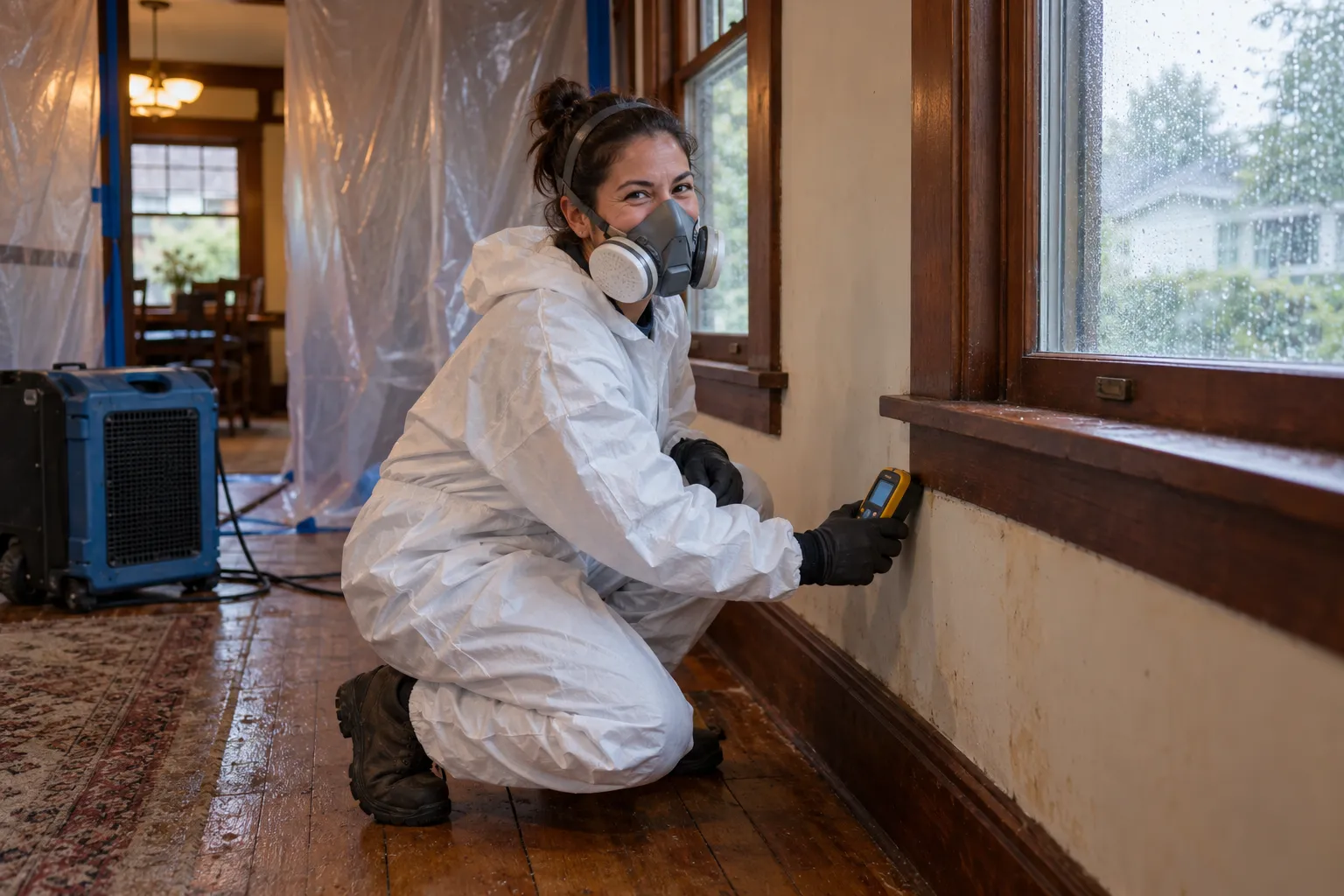
- Black mold removal: careful removal of dark, sticky mold, with the area sealed off.
- Mold inspection and testing: a look at the home plus samples to learn what is growing and where.
Timing matters with the weather
Rain, damp and cool air keep homes wet for months. Work done before or after the wet season is easier to dry and check. Ask your provider what timing fits your home.
Homes We Help Near You
Everythingissues Mold Help serves homeowners in Lakewood and across the Lakewood area. The homes here are mostly wood-frame, and many sit over crawl spaces. You will find older craftsman houses with a lot of character, and newer townhomes with shared walls.
Each type has its own weak spots. Crawl spaces trap damp air. Old craftsman siding and windows can leak slowly. Townhomes can pass moisture from one unit to the next.
If you search for mold inspection near me, you will see many names. We help you reach local providers who know these home styles and this wet climate.
Tell us your town and the kind of home you have. We will point you to a provider who works nearby.
Request an Estimate
Or Request a callback to check which providers are available for your address.
Mold, Weather and Your Home Through the Year
Living with mold-friendly weather
The climate here is mild but wet. Rain falls steadily for many months. Air stays damp, and moss grows on roofs and fences. That same damp can get into your home.
Crawl spaces
A crawl space is the low, dirt-floor area under many wood-frame homes. It stays cool and humid. Mold can grow on beams and on the underside of floors. Check for wet insulation and a musty smell upstairs.
Older craftsman houses
These homes have lovely old wood. They also have aging siding, worn seals and patched pipes. Mold may hide behind trim or under layers of paint. Ask a provider to look at past repair spots.
Newer townhomes
Newer does not mean safe. Tight walls can hold moisture in. A small leak in a shared wall can reach your side. Quick checks after any leak help a lot.
Moss and damp outside
Moss on a roof or wall tells you water is sitting there. Clogged gutters and soggy soil next to the house send that water inside. Keep drains clear and soil sloped away.
Windstorms and roof damage
Strong wind can lift shingles or knock branches onto the roof. Small gaps let rain in. Look in the attic after a storm for stains or damp wood.
Fall: get ready before the rain
Fall is a smart time to act. Clean gutters, check the roof and look at the crawl space before the long rain starts. If you smell mold now, book an inspection early.
Winter and spring: watch for damp
Indoor air gets humid when windows stay shut. Use bath and kitchen fans. Wipe window sills. Spring is a good time to check what winter left behind.
Questions to ask a provider
- Will you find the water source?
- Do you offer certified mold testing, and who does the sampling?
- How will you keep mold from spreading while you work?
- Can I get a written quote?
What does it cost?
Costs vary by job. In the U.S., an inspection with testing often runs from a few hundred dollars to about a thousand. Residential mold removal can range from about one thousand to several thousand dollars, and more for large areas. Always get a written quote.
Some insurance policies may cover sudden damage. Check your policy. Providers can often help document damage for a claim.
Talk to a Provider
Ready to take the next step? Request a callback to check provider availability in your area. Hours vary by provider.
Request an Estimate
You can also request an estimate and share a few details about your home. A local provider in our network will follow up. There is no obligation.
Request an Estimate